Clicky

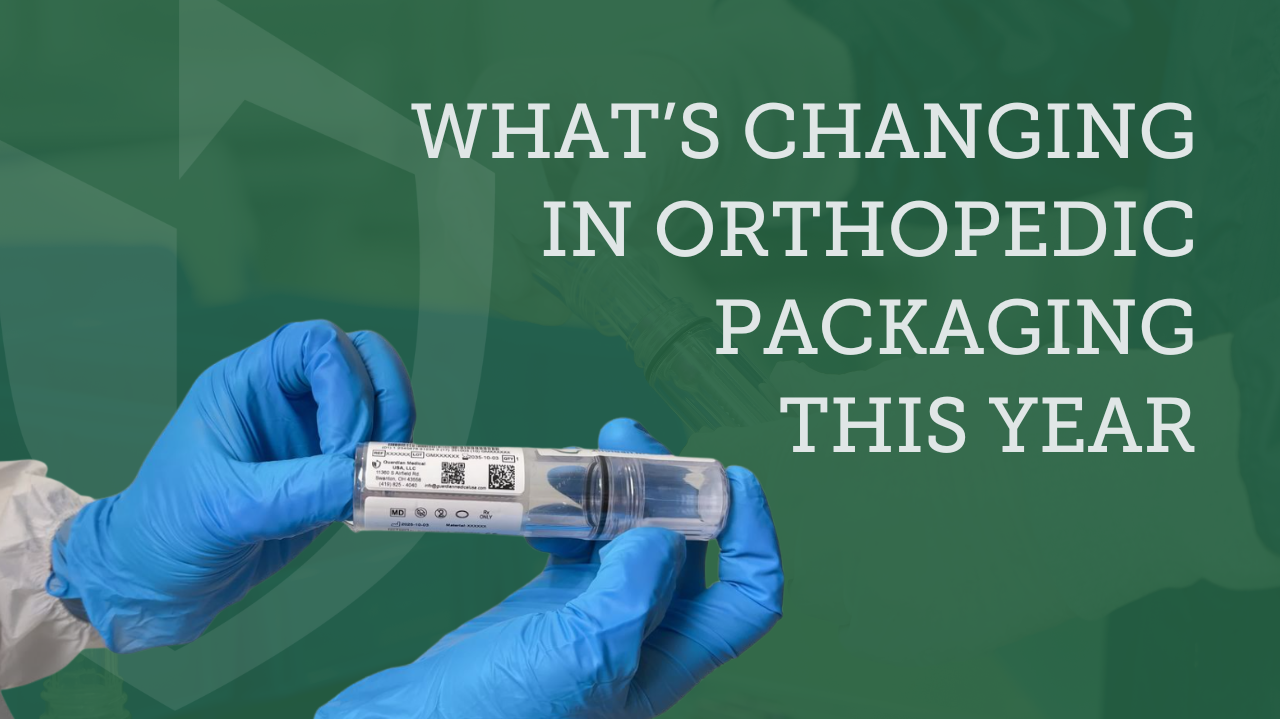
What’s Changing in Orthopedic Packaging This Year

Orthopedic packaging is entering a period of quiet but meaningful change. While implants continue to evolve, OEMs are taking a harder look at how those implants are packaged, validated, and delivered into the OR. Rising costs, supply chain volatility, and pressure to accelerate speed to market are forcing teams to reevaluate packaging strategies that were once considered “good enough.”


Sterile Packaging as a growth Strategy

Sterile Packaging as a Growth Strategy: Turning Cost Centers Into Strategic Advantages

Sterile packaging has traditionally been viewed as a necessary burden: an unavoidable expense, a validation hurdle, a space constraint, and too often a source of costly delays. But that perception is changing. OEMs navigating supply chain constraints, rising costs, and pressure for faster market launches are discovering that sterile packaging has untapped strategic power.

Sterile Packaging that Supports Nurses in the OR

In every operating room, scrub nurses play a vital role that often goes unnoticed outside of surgical teams. They’re the unsung guardians of aseptic practice, responsible for maintaining sterility, efficiency, and precision at the exact moment when it matters most.

From the Supply Chain to the Operating Room: How Footprint Reduction Impacts Every Step

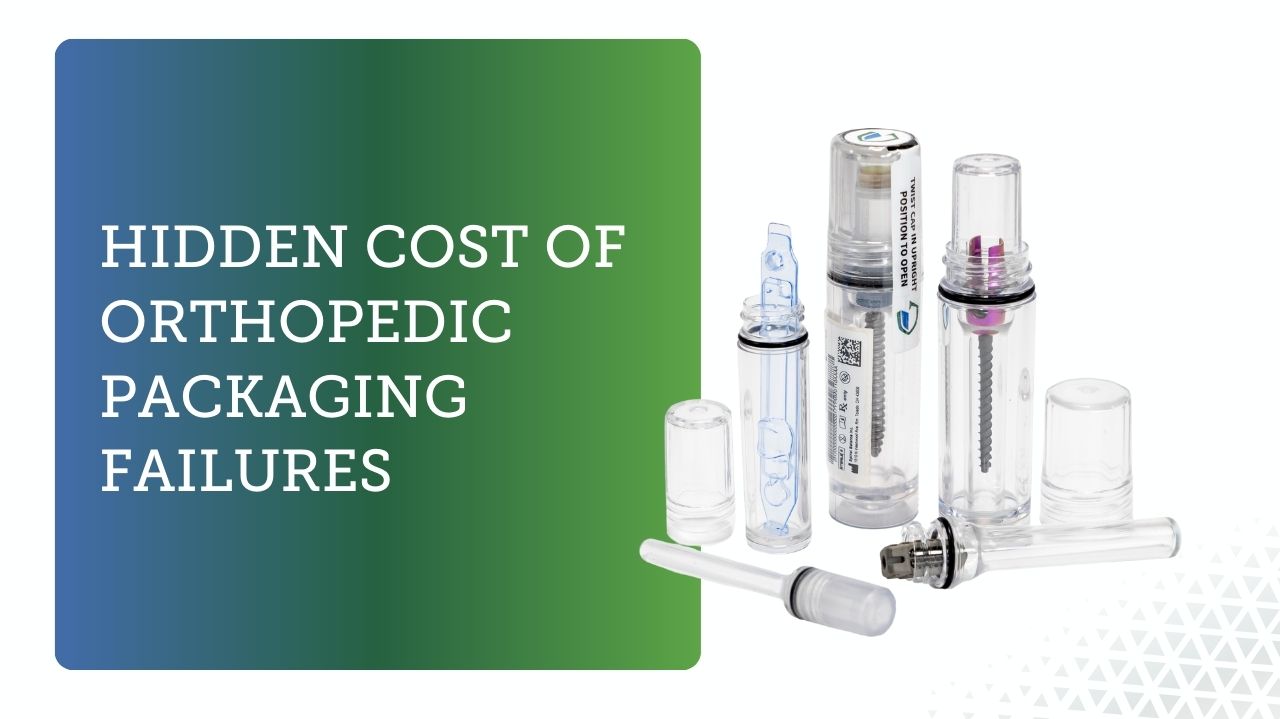
Orthopedic implants are high-value devices that demand reliable sterile packaging. Yet packaging failures remain a persistent issue in the industry, often resulting in avoidable waste, delays, and added costs. The downstream effects of a packaging failure are far-reaching, impacting surgical workflows, patient safety, and operational efficiency. Understanding the most common failure points and how to design against them is critical for manufacturers looking to reduce risk and improve performance.

Hidden Cost of Orthopedic Packaging Failures

Orthopedic Packaging Failures: What They Cost & How to Prevent Them

Orthopedic implants are high-value devices that demand reliable sterile packaging. Yet packaging failures remain a persistent issue in the industry, often resulting in avoidable waste, delays, and added costs. The downstream effects of a packaging failure are far-reaching, impacting surgical workflows, patient safety, and operational efficiency. Understanding the most common failure points and how to design against them is critical for manufacturers looking to reduce risk and improve performance.

Ready to Simplify
your sterile packaging?

Contact us today to see how we can make a difference in your operations.


our logo