Orthopedic packaging is entering a period of quiet but meaningful change. While implants continue to evolve, OEMs are taking a harder look at how those implants are packaged, validated, and delivered into the OR. Rising costs, supply chain volatility, and pressure to accelerate speed to market are forcing teams to reevaluate packaging strategies that were once considered “good enough.”
One of the biggest shifts is a move away from bulky, equipment-heavy sterile packaging formats. Traditional trays and pouches bring hidden operational costs tied to sealing equipment, maintenance, validation, and specialized labor. As these costs compound, packaging is no longer viewed as a downstream necessity, but as a system-wide decision that impacts speed, risk, and scalability.
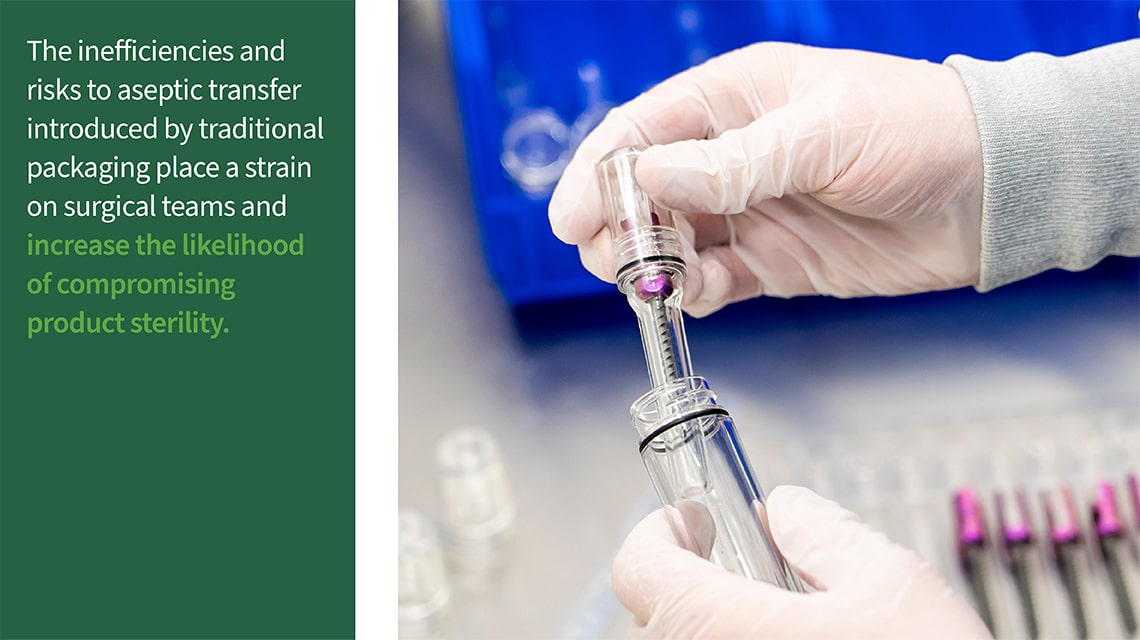
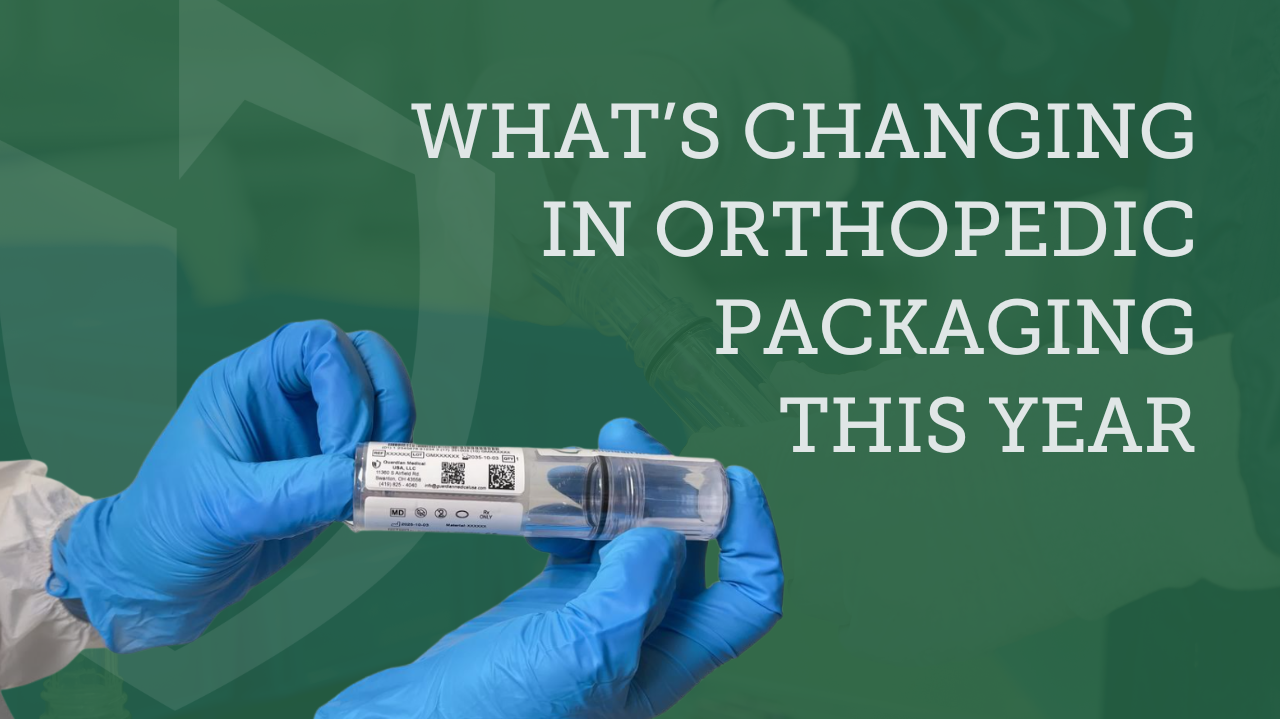
OEMs are also paying closer attention to usability in the OR. Packaging that is difficult to identify, open, or aseptically transfer can slow workflows and increase the risk of errors. Clear visibility, intuitive handling, and smaller footprints are becoming priorities, especially as ASC adoption continues to grow.
Supply chain resilience is another driver of change. Material shortages and long lead times have exposed vulnerabilities in traditional packaging formats that rely on limited material options. OEMs are increasingly valuing solutions that offer flexibility, shorter lead times, and fewer dependencies.
Taken together, these shifts point to a broader rethinking of sterile packaging. The focus is moving from legacy formats toward solutions that reduce complexity, lower total cost of ownership, and support long-term growth, without sacrificing protection or compliance.