In orthopedics, innovation has long been defined by what happens inside the body: new materials, improved fixation, and enhanced implant design. But that definition is expanding. Today, innovation extends beyond the implant itself to include how it is protected, delivered, and used in the operating room.
Sterile packaging is a critical part of the system that influences performance, efficiency, and cost. For OEMs focused on growth, that shift creates an opportunity to rethink packaging as more than a necessary step.
The Overlooked Link in the Value Chain
Every implant moves through a complex journey, from manufacturing and sterilization to storage and use in the OR. Packaging plays a role at every stage, yet it has remained largely unchanged for decades.Traditional sterile packaging formats were not necessarily designed for efficiency, they were designed as the only viable option at the time. A “belt and suspenders” approach was adopted to mitigate risk, layering multiple barriers and components to ensure sterility. While effective in protection, this approach introduced added complexity into the system. Today, those traditional packaging formats often create inefficiencies:
- Bulky designs that increase storage and shipping costs
- Multi-layer systems that complicate handling, transfer, and recyclability
- Validation requirements that extend development timelines
- Increased risk of damage that can compromise sterility
These inefficiencies affect timelines, costs, and the end-user experience in the OR.
Where Packaging Impacts Performance
When viewed as part of the full device system, sterile packaging influences several critical areas.
- Speed to Market Validation remains one of the most time and cost-intensive aspects of sterile packaging. With traditional systems, sealing equipment qualification, seal validation, and ongoing testing introduce added risk, and can significantly delay product launches. Pre-Validated packaging that does not require heat sealing equipment can significantly reduce launch timelines.
- Operational Efficiency Packaging size and complexity directly impact sterilization, storage, and distribution. Traditional heat sealed sterile barrier systems, that require secondary protective packaging, increases packaging size, complexity and costs. Streamlined packaging with a minimal footprint allows more product to move through the same infrastructure with greater efficiency.
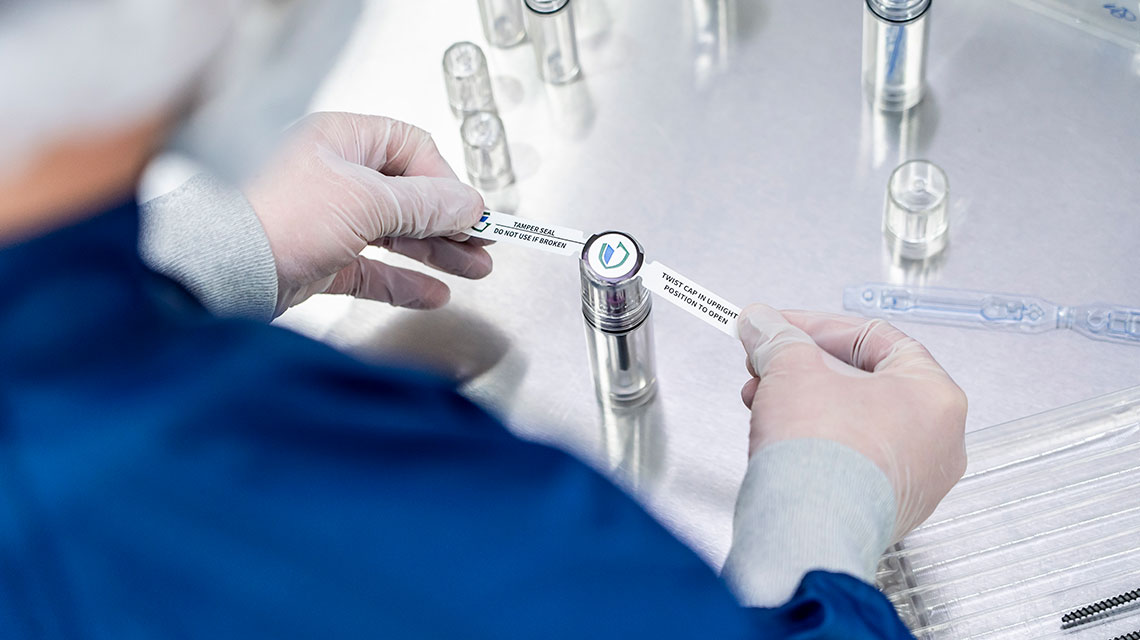
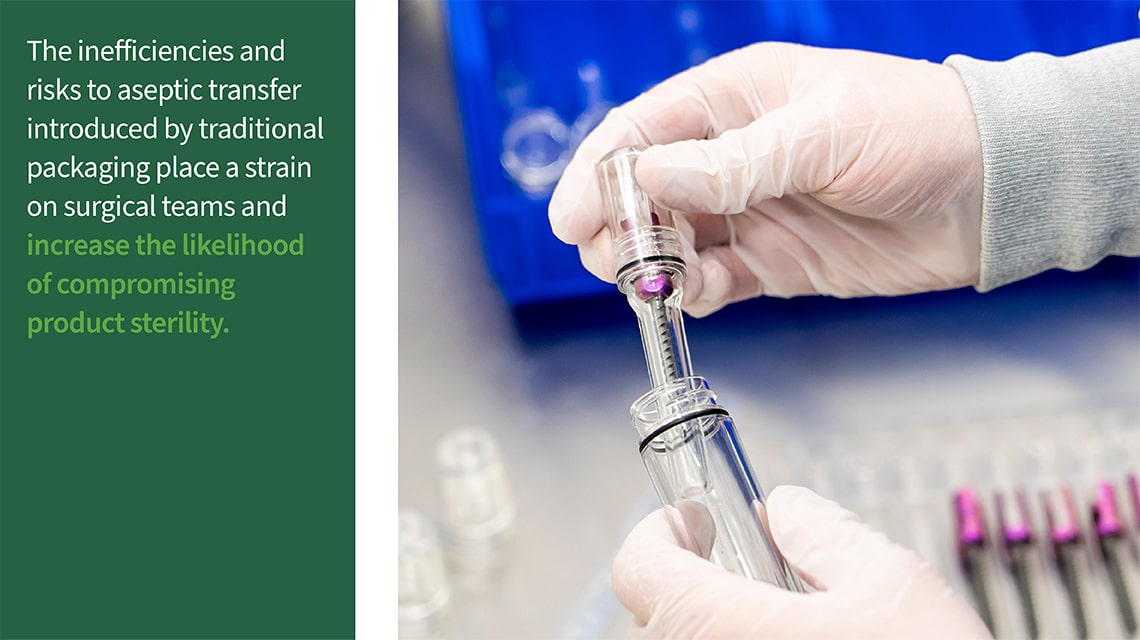
- OR Usability In the operating room, efficiency and precision matter. Implants must be identified quickly, easily removed from their packaging, and transferred aseptically. Complex packaging can slow this process and increase the risk of contamination. Simplified packaging systems improve workflow and confidence.
Moving Beyond Protection
Sterile packaging must protect the implant and maintain sterility. That remains non-negotiable.
But packaging can do more.
Modern systems are designed to reduce complexity across the entire value chain This includes simplifying validation, improving durability, enhancing usability, and supporting long-term inventory management.
Instead of asking whether packaging meets requirements, OEMs are beginning to ask whether it improves performance.
Rethinking Packaging Architecture
This shift is driving demand for simpler, more integrated, packaging solutions.
Single-barrier systems are gaining traction because they reduce components and eliminate unnecessary steps.
Packaging that does not require heat-sealing equipment and simplifies validations, lowers both operational burden and risk.
At the same time, advancements in materials and design allow these systems to maintain strength and protection without relying on bulky, multi-layer formats.
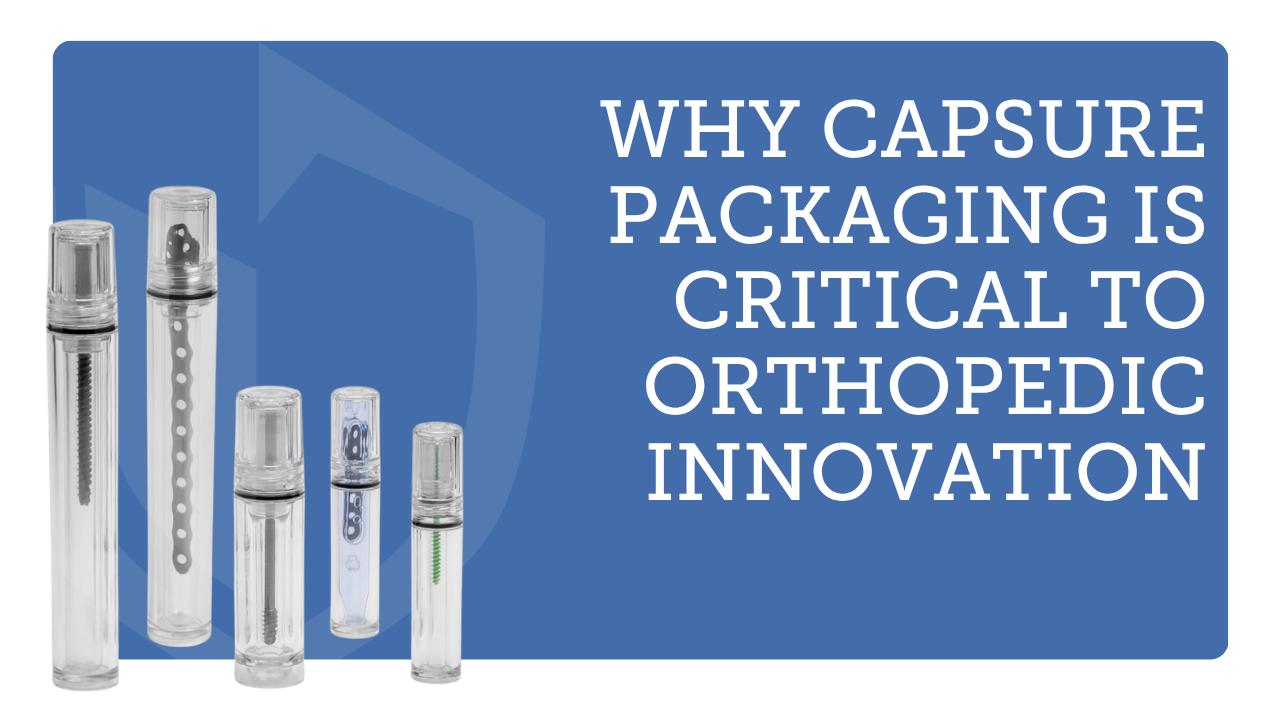
The result is minimal, but optimized packaging. Systems that deliver protection, efficiency, and usability in a more streamlined form.
Orthopedic innovation is evolving. While implant design remains critical, the systems surrounding those implants are becoming increasingly important.
Packaging sits at the center of that system. It influences how quickly products reach the market, how efficiently they move through the supply chain, and how effectively they are used in the OR.
OEMs that recognize this are rethinking packaging as part of the equation, not an afterthought.
Because innovation isn’t only about what goes into the body.
It’s also about the systems that get it there.